
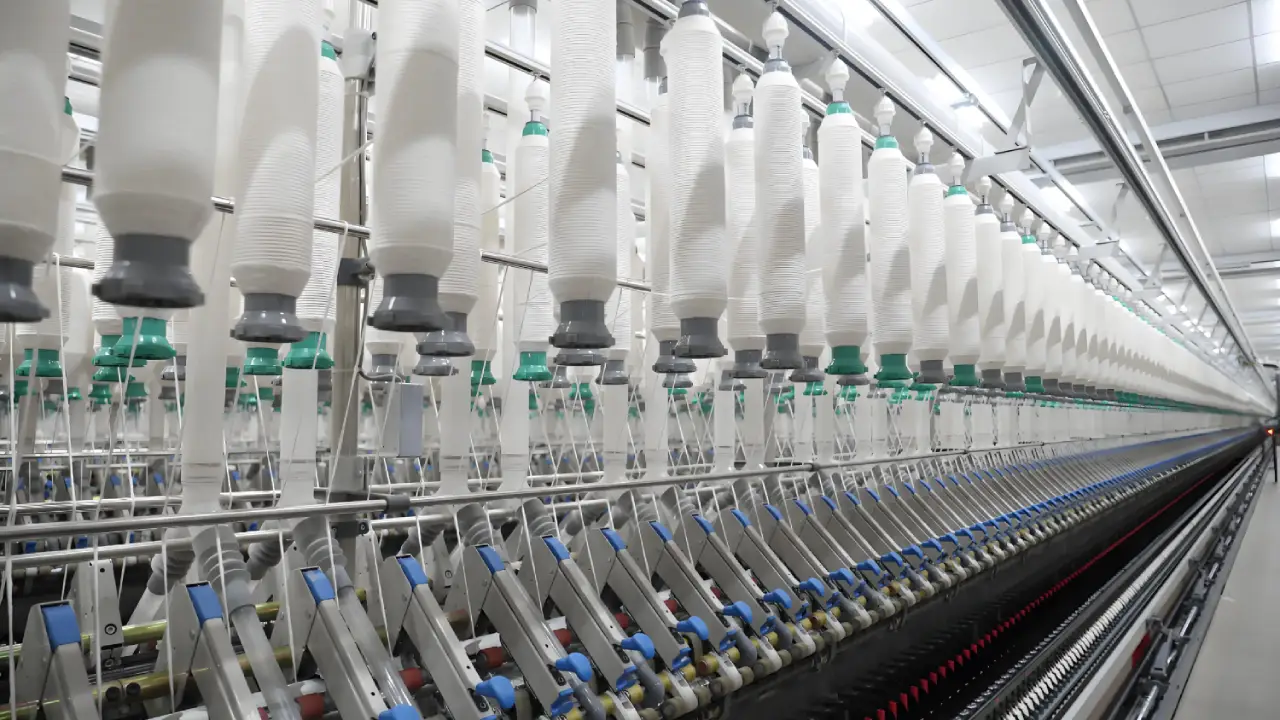
Textile machinery relies on continuous and precisely controlled mechanical movement throughout the production process. From yarn processing and spinning to weaving, knitting, dyeing, printing and finishing, reliable power transmission and motion components are essential for maintaining consistent machine operation and production efficiency.
Textile production often involves high-speed, continuous operation and repeated machine cycles. Depending on the application, mechanical systems may be required to drive rollers and shafts, synchronize moving elements, control material feeding or maintain consistent movement throughout the production process.
Yarn and fabric handling are important applications across many types of textile machinery. Yarn, fibers and fabrics must be transported, guided, wound, processed and transferred between different machine sections. Reliable mechanical transmission components can support controlled movement, accurate synchronization and consistent material handling.
Weaving and knitting machines require coordinated movement between multiple mechanical elements operating at high speeds. Mechanical transmission systems may be used to transfer power and synchronize shafts, rollers and other moving components. Depending on the equipment design, compact and reliable components can also be important where installation space is limited.
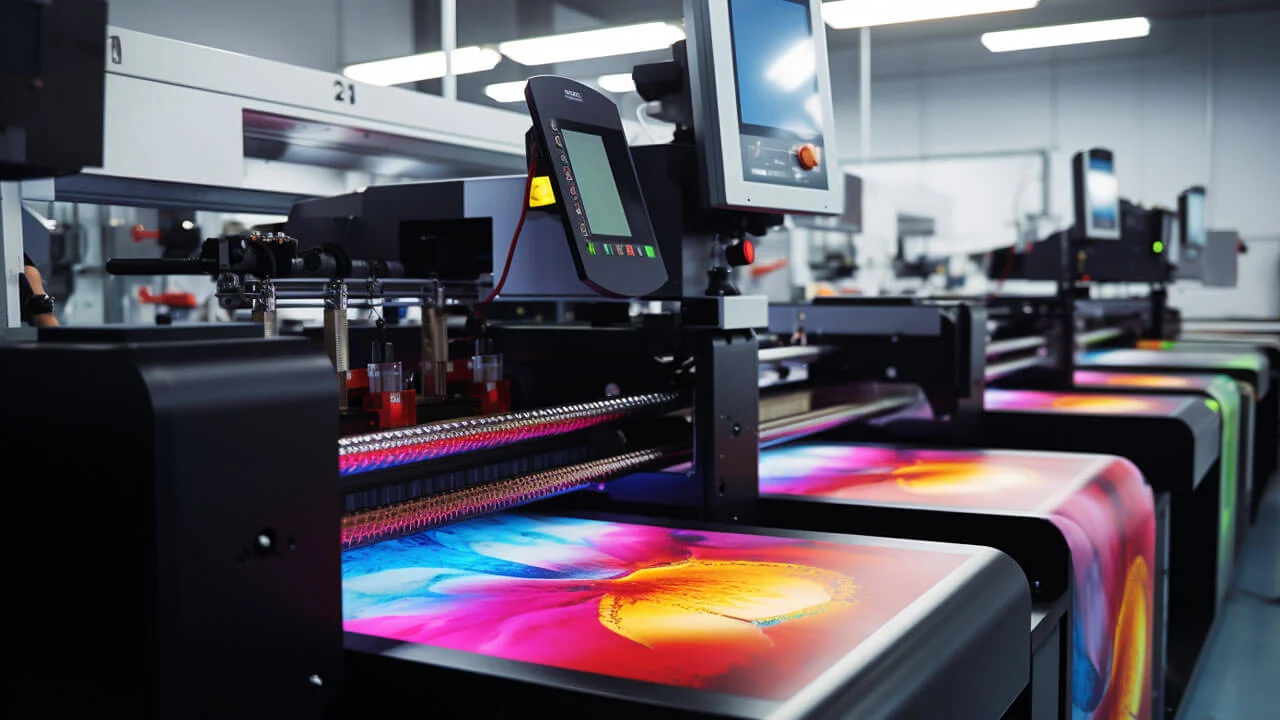
Dyeing, printing and finishing equipment may operate under demanding conditions involving moisture, elevated temperatures, chemicals and extended production cycles. Component selection therefore depends on factors such as load, speed, operating environment, wear resistance, chemical exposure and maintenance requirements.
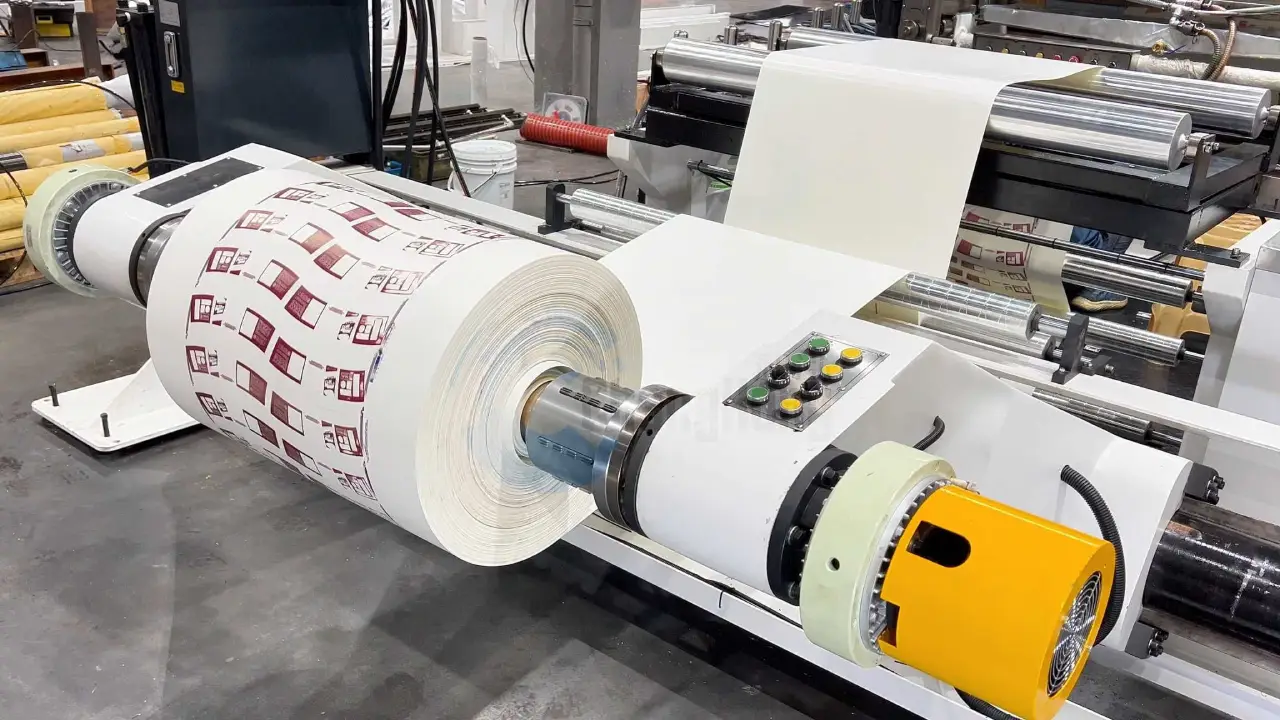
Textile machinery can also include winding, unwinding and material handling systems that require controlled rotational movement and reliable roller drives. These systems may need to maintain stable fabric or yarn movement while operating continuously at varying production speeds.
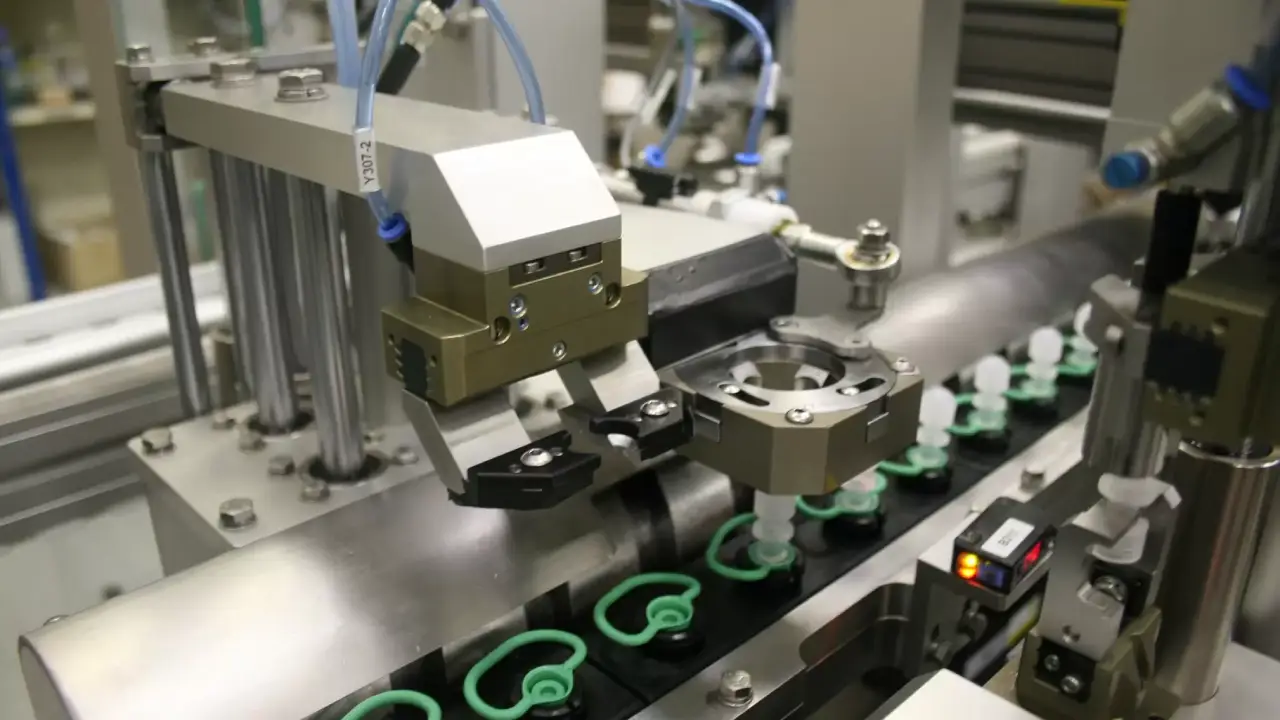
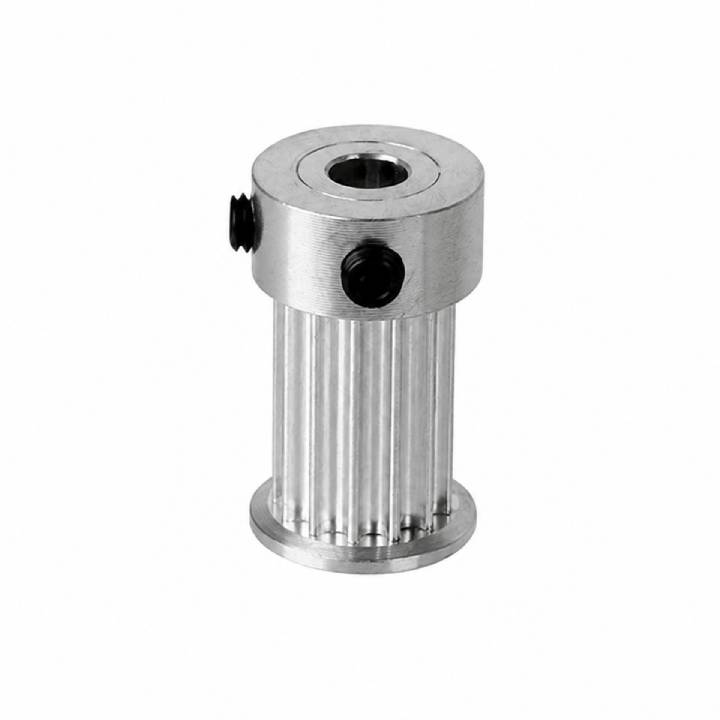
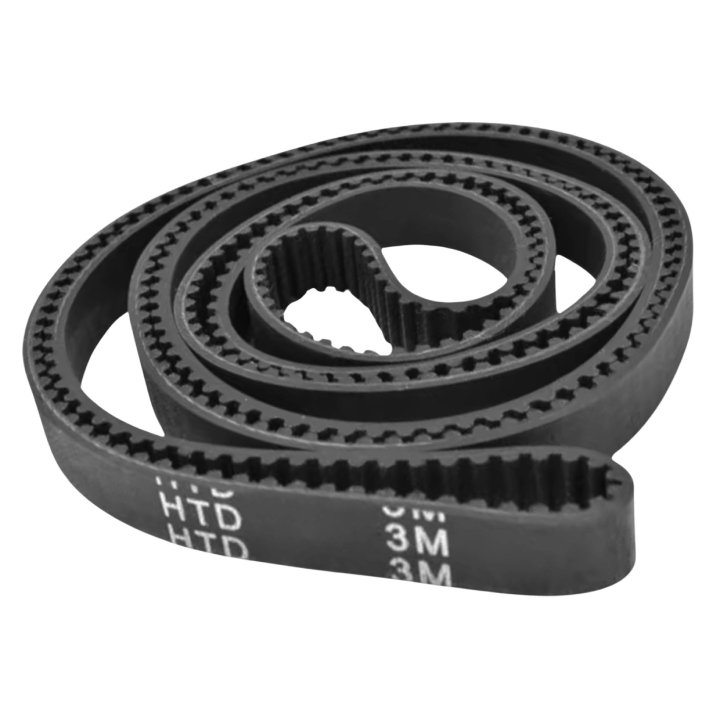
Depending on the machine design, timing belts and pulleys, gears, couplings, bearings, rollers and other mechanical components may be used for power transmission, synchronized movement, roller drives, winding, positioning and material handling.
As textile manufacturers continue to increase automation, production speed and machine efficiency, reliable mechanical components can help support consistent performance, reduce maintenance requirements and minimize unnecessary downtime.
Meiya Precision provides power transmission components and mechanical solutions for textile machinery and related automation equipment. We support standard components as well as custom requirements involving dimensions, materials, operating conditions and specific machine configurations.
Typical Textile Machinery Applications
- Spinning Machines
- Yarn Processing Equipment
- Yarn Winding and Unwinding Machines
- Weaving Machines
- Knitting Machines
- Circular Knitting Machines
- Warping Machines
- Dyeing Equipment
- Textile Printing Machinery
- Textile Finishing Equipment
- Fabric Handling Systems
- Fabric Inspection Machines