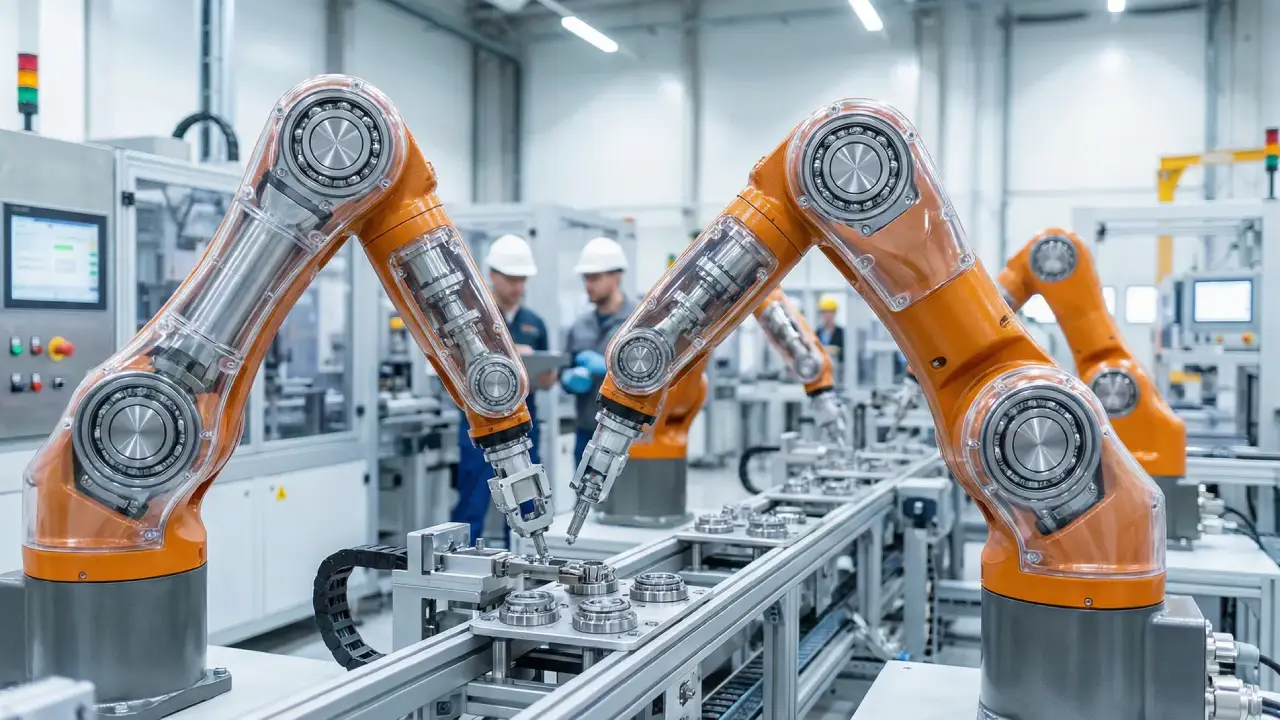

Industrial automation enables manufacturers to improve productivity, consistency and efficiency by using automated machinery, production lines and motion control systems. From assembly and material handling to packaging, inspection and machining, reliable mechanical components are essential for achieving precise and repeatable machine operation.
Automated equipment often needs to perform repetitive movements at high speeds while maintaining accurate positioning and synchronization. Depending on the machine design, power transmission and motion components may be used to transfer torque, synchronize moving parts, provide linear motion, control positioning or connect different parts of a drive system.
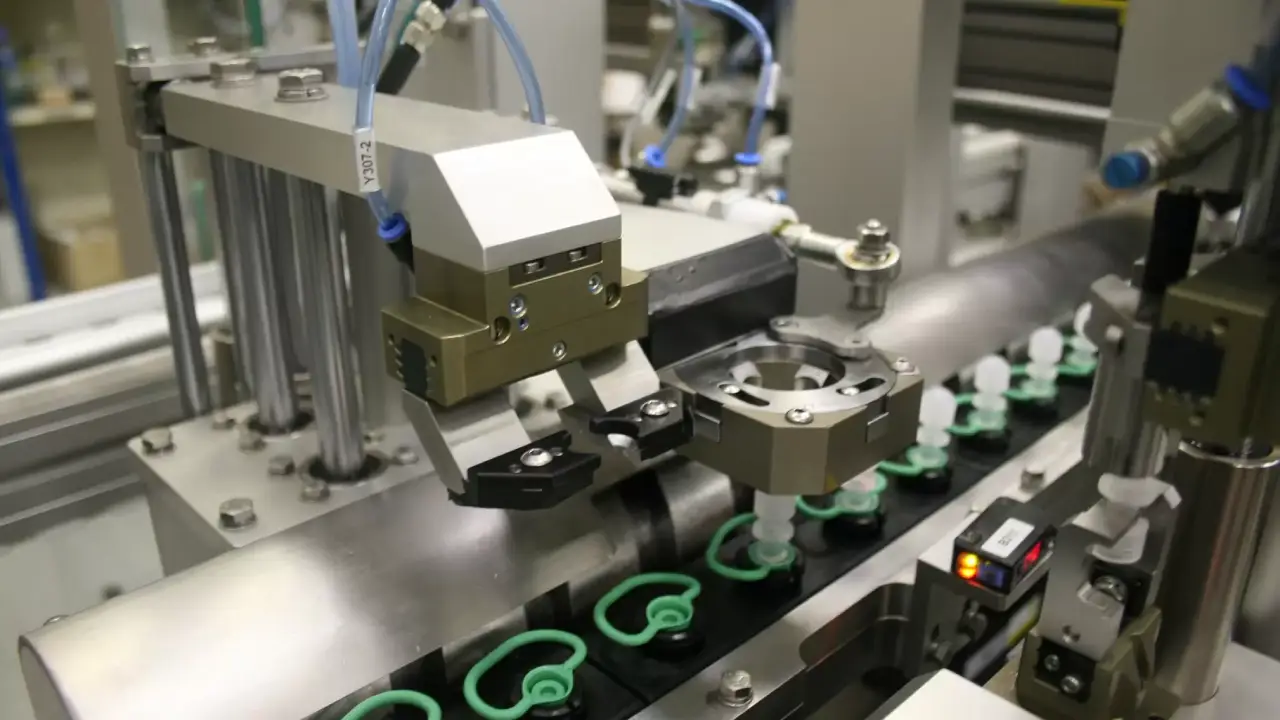
Industrial automation systems operate in a wide range of manufacturing environments. Conveyors may transport components between different production stages, while indexing mechanisms can position products accurately for assembly or processing. Packaging machines, inspection equipment, cutting systems and automated handling equipment may also require compact and reliable transmission solutions.
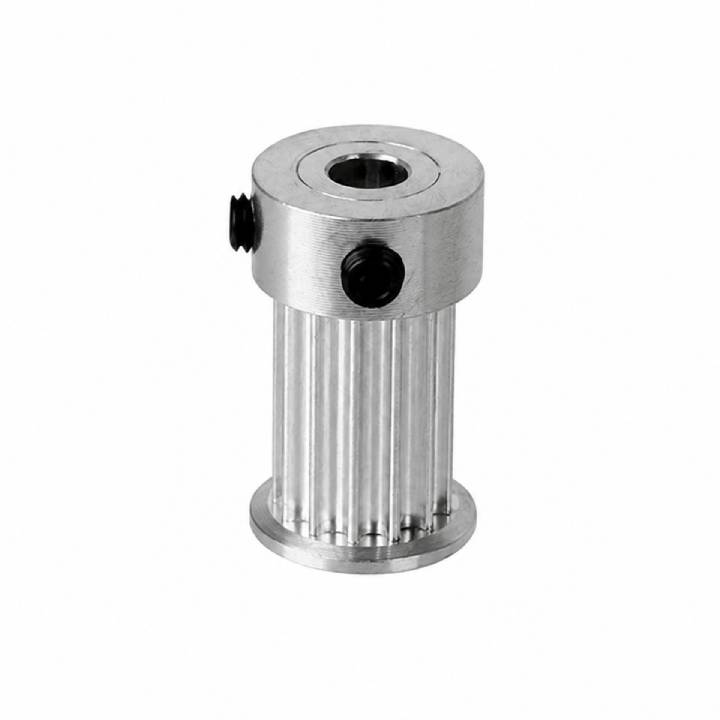
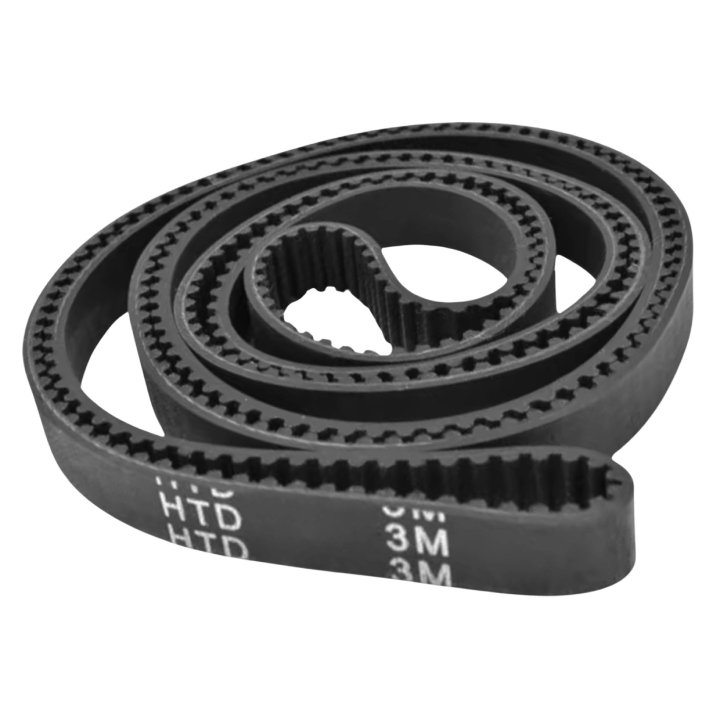
Different applications require different combinations of speed, load capacity, accuracy, operating cycle and installation space. Timing belts and pulleys can provide synchronized motion and efficient power transmission, while gears, couplings, bearings and other mechanical components can be used where torque transmission, shaft connection, speed reduction or supported motion is required.
As manufacturers continue to adopt flexible and highly automated production systems, equipment designers increasingly require reliable components that can support continuous operation, precise movement and easy integration into compact machine designs.
Meiya Precision provides power transmission components and mechanical solutions for a wide range of industrial automation applications. We support both standard component requirements and custom applications where specific dimensions, materials, performance characteristics or installation requirements need to be considered.
Typical Industrial Automation Applications
- Assembly Machines
- Automated Conveyors
- Material Handling Equipment
- Indexing Systems
- Sorting Equipment
- Inspection Equipment
- Linear Positioning Systems
- Automated Production Lines
- Pick-and-Place Equipment
- Machine Automation Systems