
Food processing equipment is used to transform raw ingredients into finished food products through a wide range of mechanical and automated processes. From bakery, dairy and beverage production to meat, poultry, seafood and fruit and vegetable processing, reliable machinery is required to maintain efficient, consistent and controlled production.
Depending on the process, food processing machinery may perform operations such as conveying, feeding, mixing, cutting, slicing, forming, sorting and positioning. Mechanical power transmission and motion systems play an important role in driving these operations and coordinating the movement of different machine components.
Many food processing systems operate continuously or through frequent production cycles. Components may therefore be required to provide reliable performance under varying loads and speeds while supporting accurate and repeatable machine movement. The appropriate transmission solution depends on factors such as torque, operating speed, duty cycle, required positioning accuracy and available installation space.
Hygiene and cleanability are also important considerations in food processing environments. Depending on the application, machinery may be exposed to moisture, frequent wash-down procedures, food particles, oils, fats and cleaning agents. Mechanical components should therefore be selected according to the operating environment, machine design and applicable hygiene requirements.
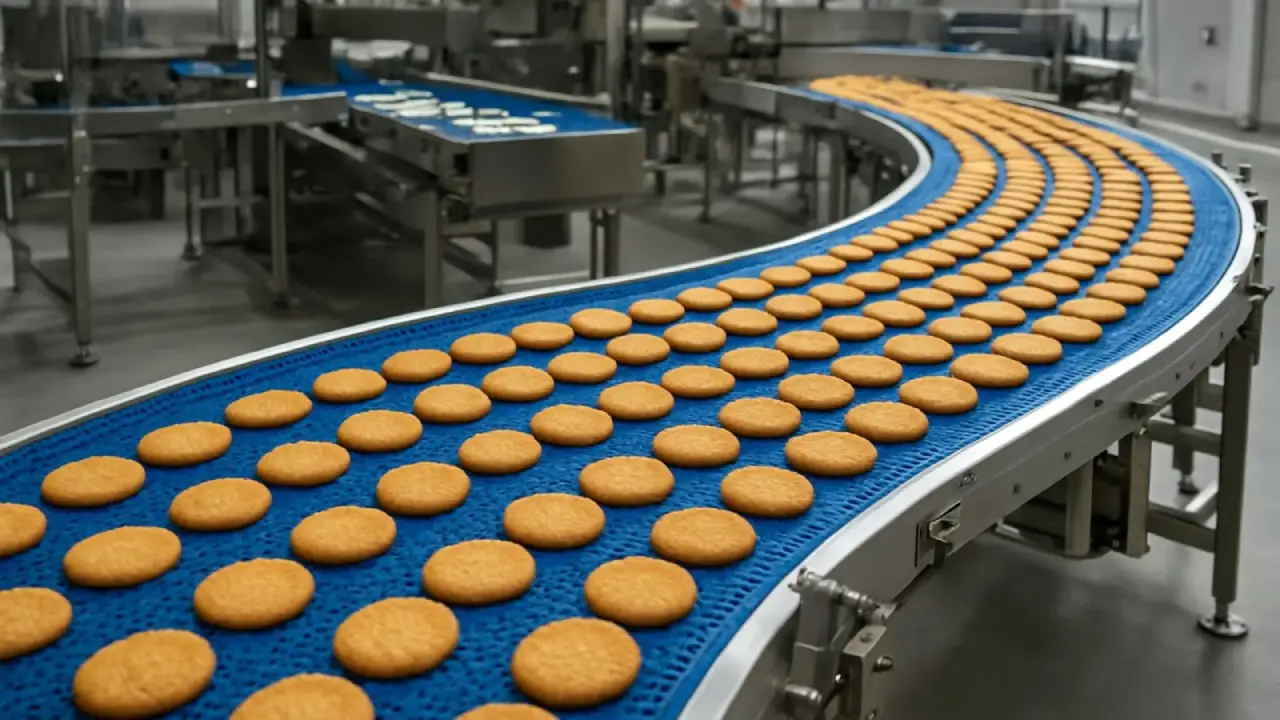
Conveying and product handling systems are widely used throughout food processing operations. Ingredients, semi-finished products and finished food products may need to be transferred between different processing stages while automated equipment performs feeding, sorting, inspection and portioning operations. Reliable and controlled movement can help maintain consistent production and reduce unnecessary product handling.
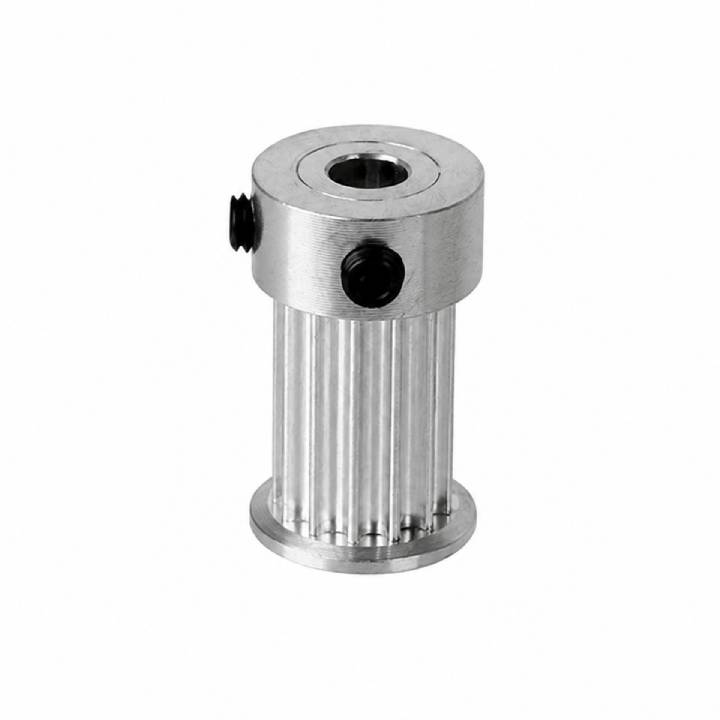
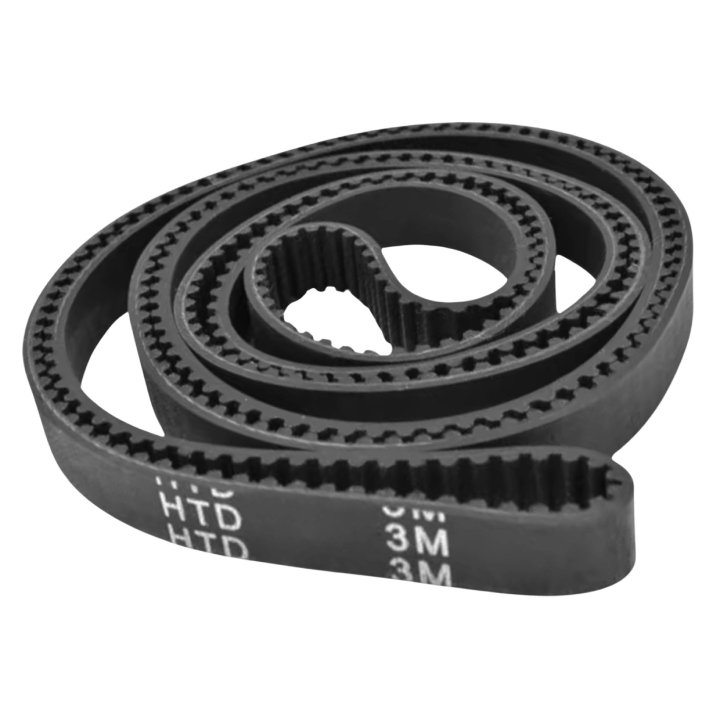
Different types of food processing equipment require different mechanical solutions. Depending on the machine design, timing belts and pulleys may be used for synchronized motion and power transmission, while gears, couplings, bearings, rollers and other mechanical components may be used for torque transmission, shaft connection, product transport and controlled movement.
As food processing equipment becomes increasingly automated, manufacturers require compact and reliable mechanical components that can integrate effectively with modern machinery. Reliable power transmission and motion components can help support consistent operation, equipment performance and long-term service life.
Meiya Precision provides power transmission components and mechanical solutions for food processing equipment and related automation systems. We support standard components as well as custom requirements involving dimensions, materials, operating conditions and specific machine configurations.
Typical Food Processing Applications
- Bakery Processing Equipment
- Beverage Processing Equipment
- Dairy Processing Equipment
- Meat and Poultry Processing Equipment
- Fish and Seafood Processing Equipment
- Fruit and Vegetable Processing Equipment
- Mixing and Blending Equipment
- Cutting and Slicing Machines
- Forming and Portioning Equipment
- Food Conveying Systems
- Sorting and Inspection Equipment
- Ingredient Feeding and Handling Equipment