
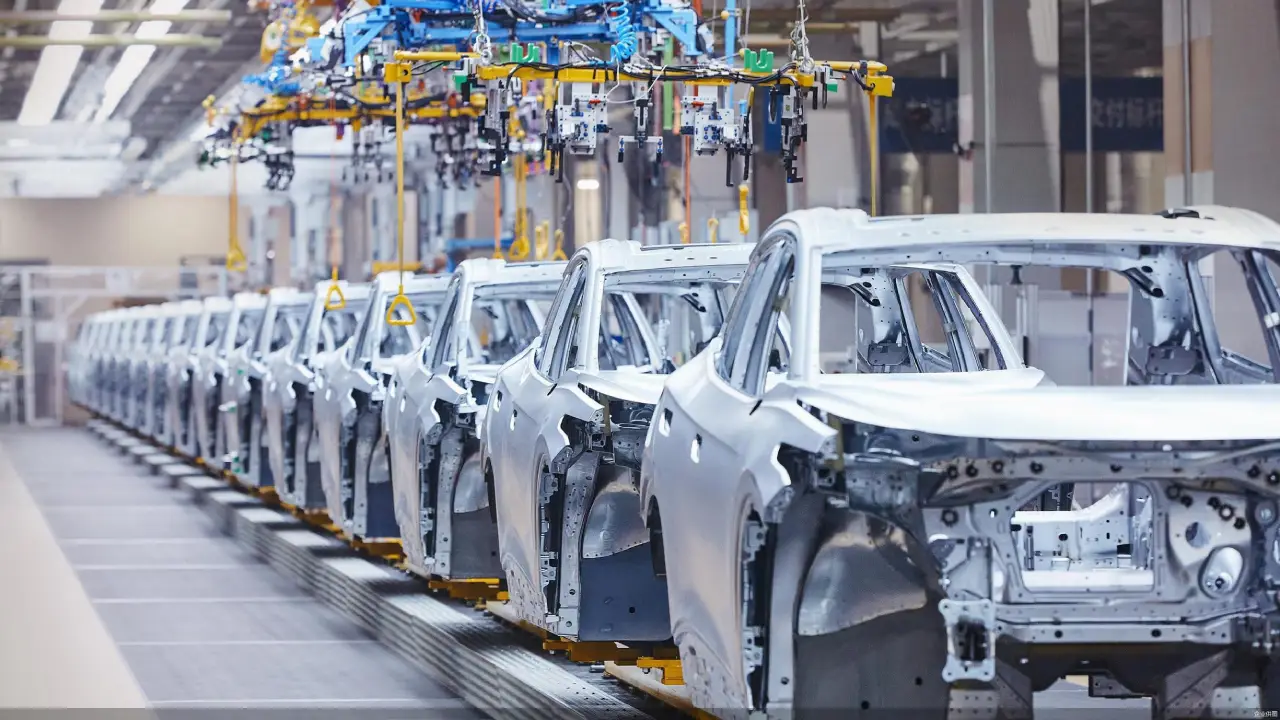
Automotive manufacturing relies on highly automated production systems to move, position, process and assemble components throughout the manufacturing process. From metal stamping and body assembly to painting, inspection and final assembly, reliable mechanical power transmission and motion systems are essential for maintaining accurate and consistent production.
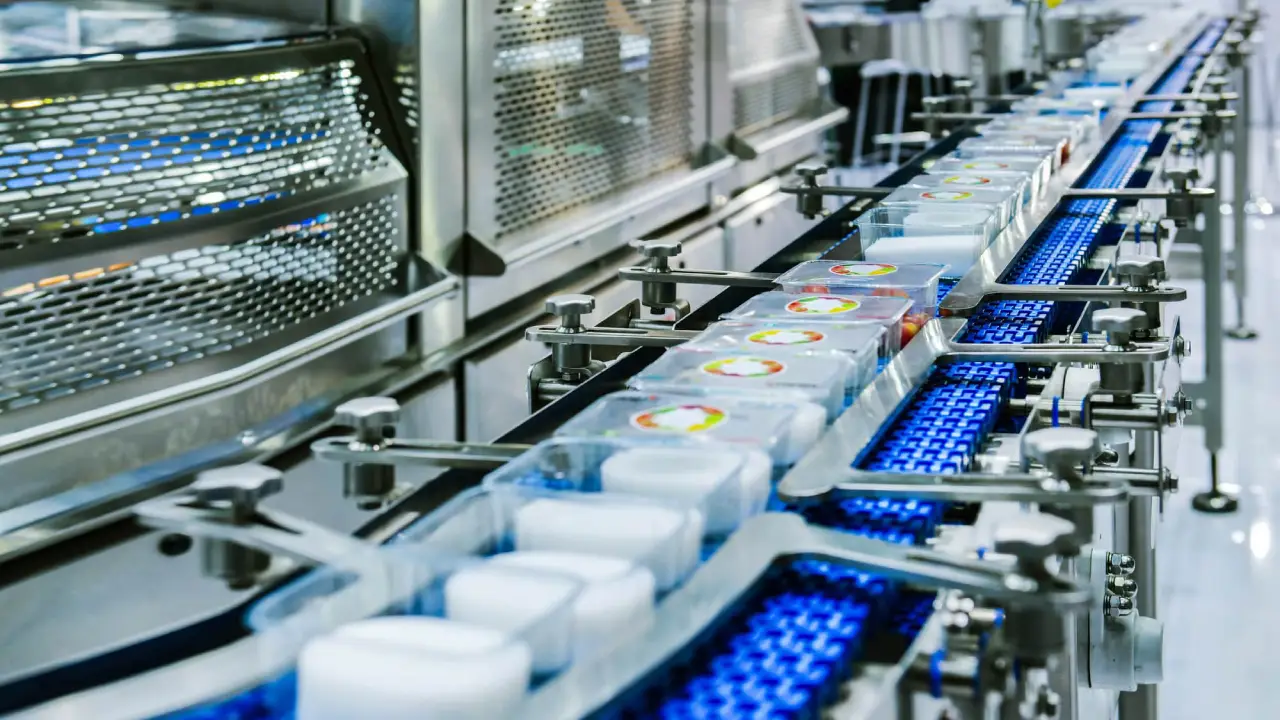
Automotive production lines typically operate at high speeds and through repeated production cycles. Conveyors, transfer systems, assembly equipment, robotic cells and other automated machinery must coordinate the movement of components between different stages of production. Mechanical transmission components can play an important role in driving these systems and maintaining synchronized machine movement.
Material handling and conveying are common throughout automotive manufacturing. Metal sheets, stamped parts, body panels, powertrain components and other assemblies may need to be transported, positioned and transferred between machines. Depending on the equipment design, transmission components may be used to drive rollers, conveyors and positioning mechanisms while supporting controlled and repeatable movement.
Stamping and forming equipment requires reliable mechanical systems to transfer power and control machine movement during high-cycle production. Assembly and handling equipment may also require accurate synchronization and positioning when components are transferred, oriented or assembled automatically.
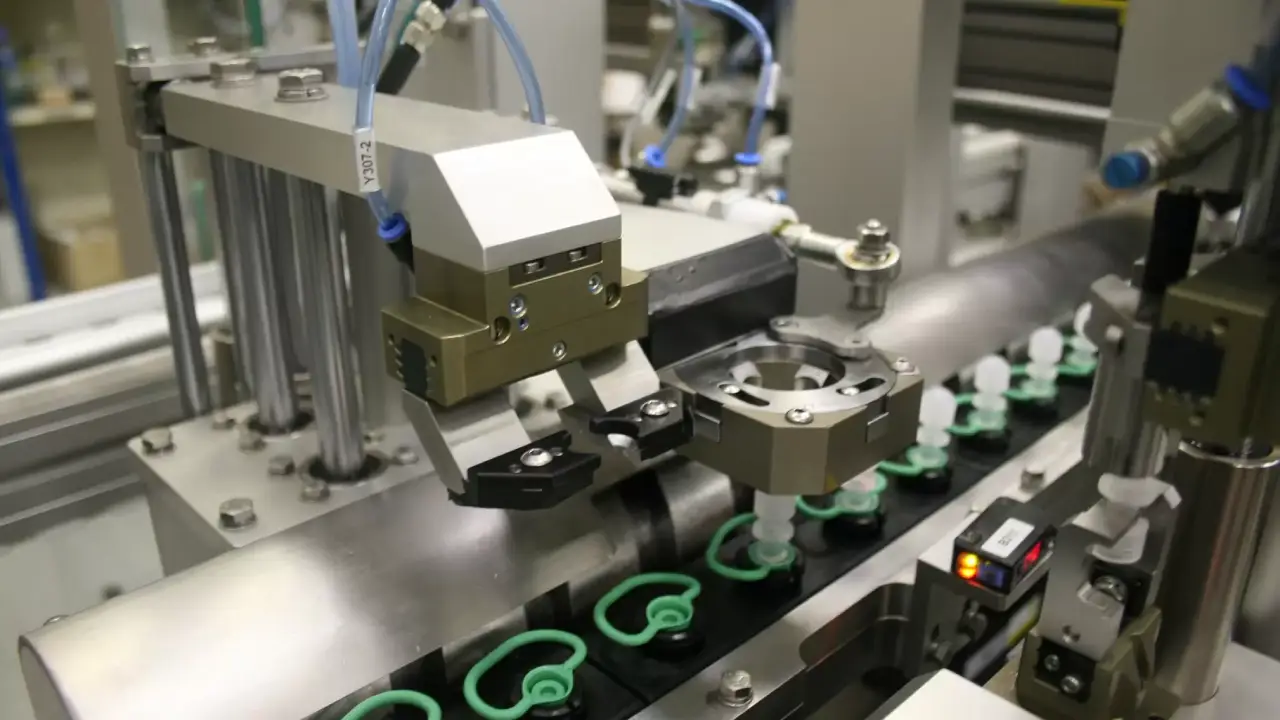
Robotics and automated production cells are widely used in modern automotive manufacturing for applications such as material handling, welding, painting, assembly and inspection. These systems require reliable motion components that can operate accurately over repeated cycles while integrating with motors, servomotors, sensors and electronic control systems.
Automotive manufacturing environments can also involve metal particles, dust, lubricants, vibration and continuous operation. Component selection therefore depends on factors such as load, speed, duty cycle, accuracy, operating environment, installation space and expected service life.
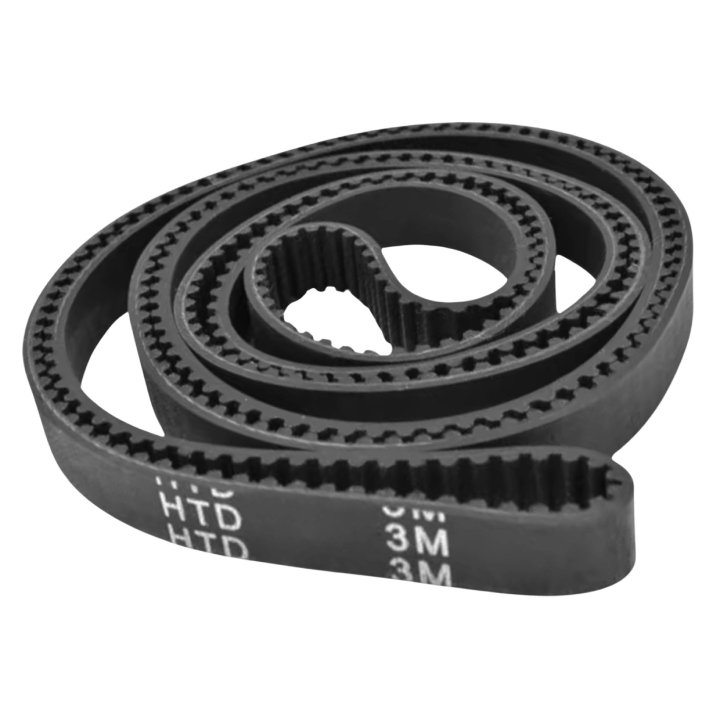
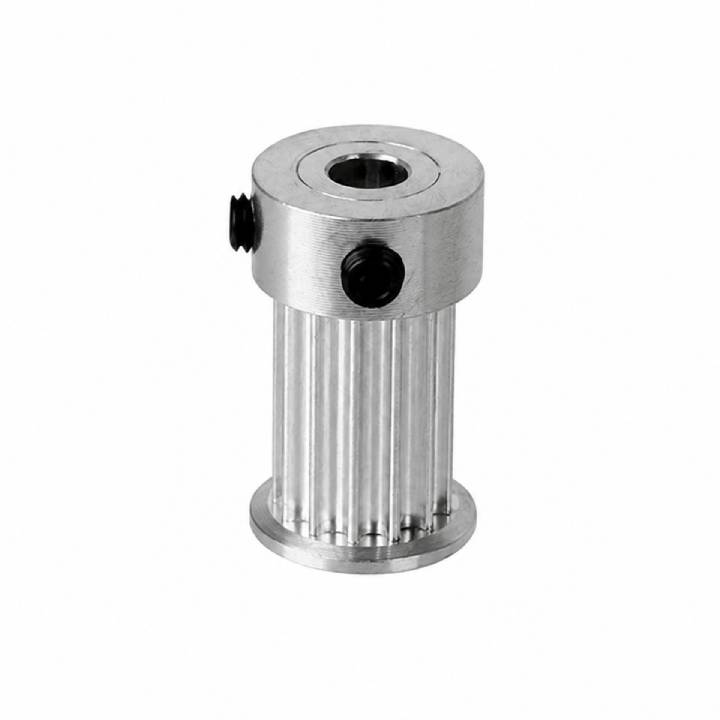
Depending on the machine design, timing belts and pulleys, gears, couplings, bearings, rollers and other mechanical components may be used for power transmission, synchronized movement, conveying, positioning and automated material handling.
As automotive manufacturers continue to increase automation, production speed and manufacturing flexibility, reliable mechanical components can help support consistent machine performance and reduce unnecessary maintenance and downtime.
Meiya Precision provides power transmission components and mechanical solutions for automotive manufacturing equipment and automated production systems. We support standard components as well as custom requirements involving dimensions, materials, operating conditions and specific machine configurations.
Typical Automotive Manufacturing Applications
- Automotive Assembly Lines
- Stamping and Forming Equipment
- Body-in-White Production
- Material Handling Systems
- Conveyors and Transfer Systems
- Robotic Assembly Systems
- Welding Equipment
- Automotive Painting Systems
- Part Positioning Equipment
- Inspection and Testing Equipment
- Component Handling Systems